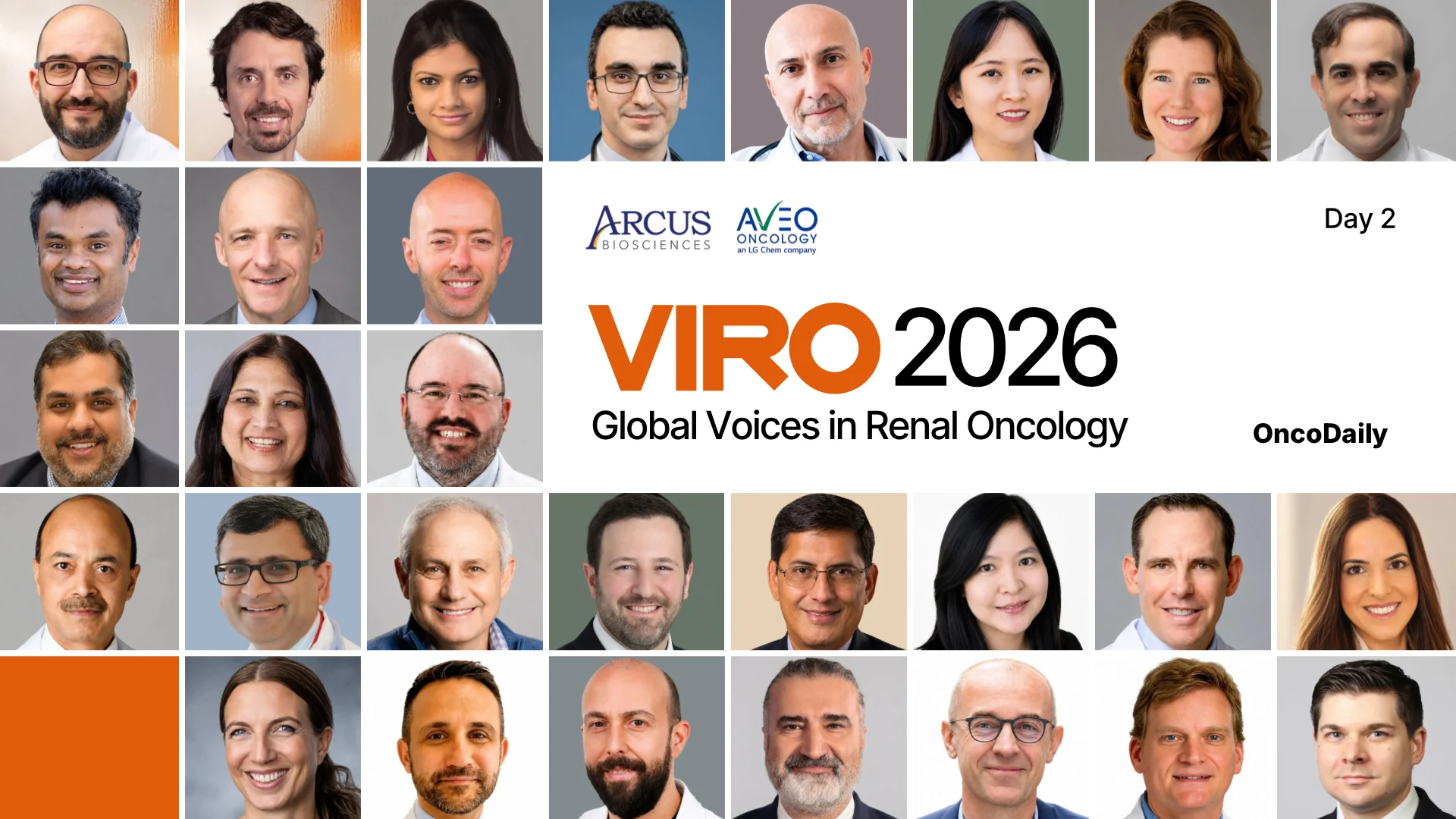
VIRO 2026 – Global Voices in Renal Oncology

Global Virtual Congress

VIRO 2026 – Global Voices in Renal Oncology

Overview

Event Highlights

  • Bridge emerging evidence and real-world practice across the full RCC spectrum
  • Solve practical challenges: first-line selection, sequencing, toxicity management
  • Make renal cancer care more global and equitable

Event Series

O Series

Date / Time

Sep 10, 2026 – Sep 11, 2026

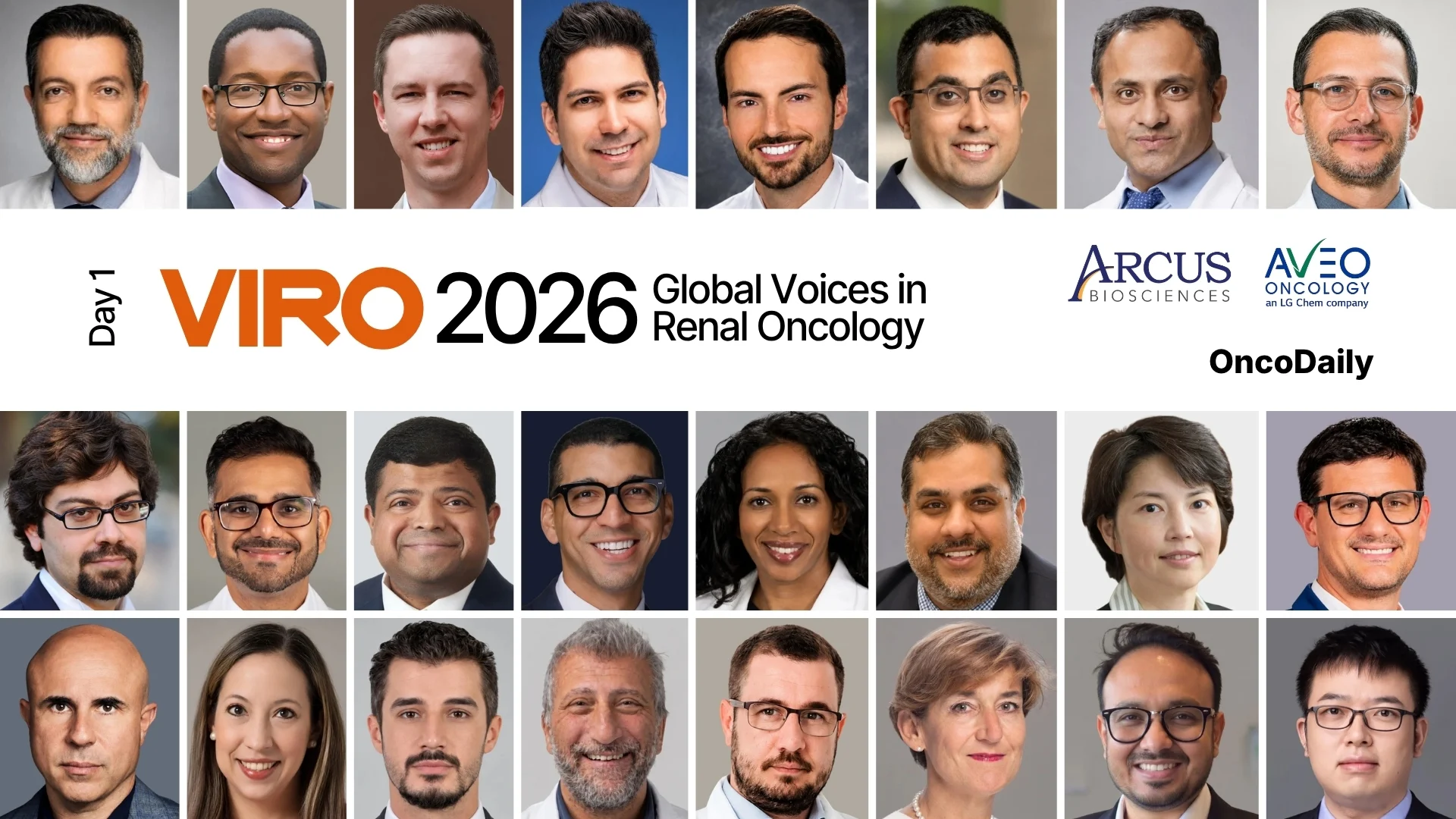
VIRO 2026 – Global Voices in Renal Oncology is a global virtual medical congress dedicated to renal oncology, renal cell carcinoma, and the evolving management of kidney cancer in 2026. The Congress brings together leading international experts to discuss current standards of care, emerging treatment strategies, multidisciplinary decision-making, and practical approaches to improving outcomes for patients with renal malignancies.

The OncoDaily VIRO 2026 Congress will focus on the changing landscape of renal cancer care, with a strong emphasis on translating clinical evidence into real-world practice. As renal oncology continues to evolve, clinicians are increasingly faced with complex decisions involving treatment selection, sequencing, toxicity management, biomarkers, and access to innovation across different healthcare systems.

Renal cell carcinoma accounts for approximately 430,000 new cases and 155,000–180,000 deaths worldwide each year, based on global cancer estimates. While outcomes are favorable for localized disease in high-resource settings, survival declines substantially in advanced stages, particularly in metastatic disease. Despite earlier detection in some regions, a significant proportion of patients still develop advanced disease, where durable control remains challenging.

In recent years, the therapeutic landscape of renal cancer has changed rapidly. The integration of immune checkpoint inhibitors, VEGF-targeted therapies, and combination regimens has reshaped standards of care for advanced and metastatic renal cell carcinoma. These advances have improved outcomes for many patients, yet they also introduce new challenges related to optimal patient selection, sequencing after progression, long-term toxicity management, and the adaptation of evidence-based strategies to diverse clinical environments.

Speakers

Speakers VIRO 2026
ImagesNameTopics
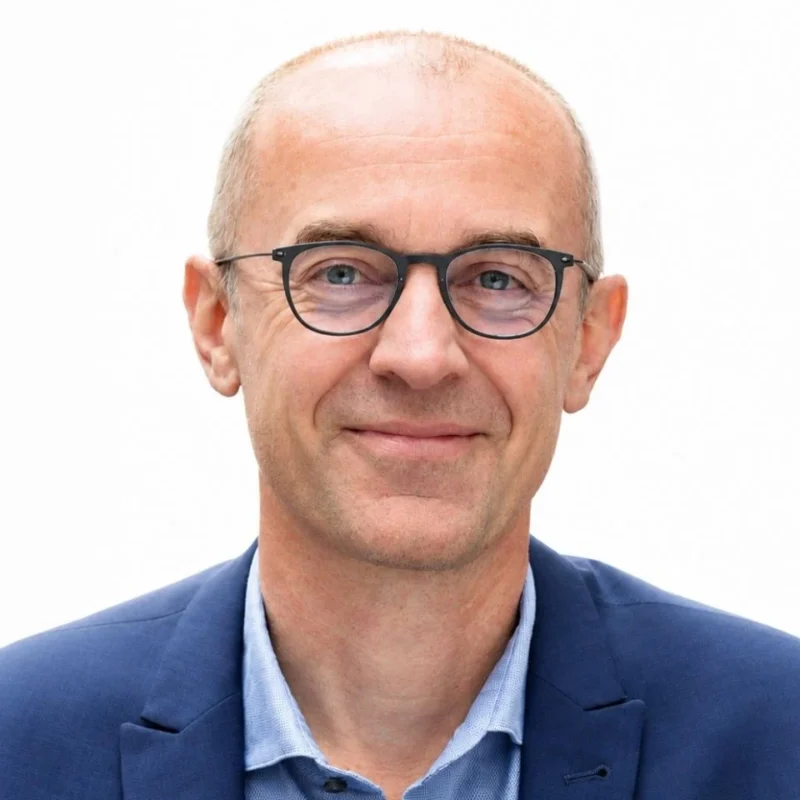
IMG_0452

Viktor Grünwald - Germany


Professor of Interdisciplinary Urologic Oncology, University Hospital Essen
Carolus Institute for Urologic Oncology
The Evolving Landscape of Adjuvant Therapy in RCC
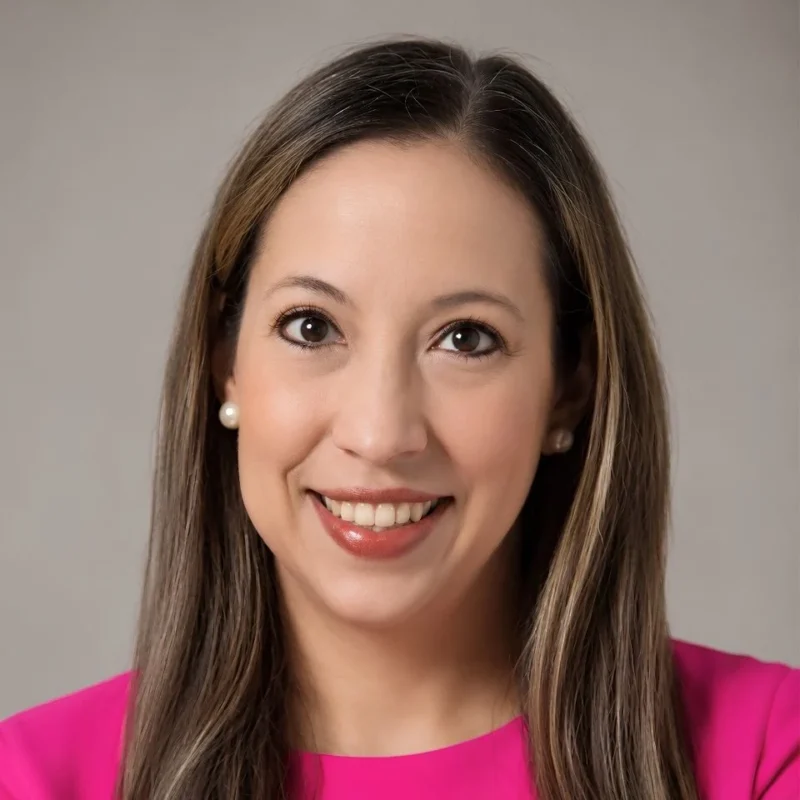
IMG_0492

Maria Bourlon - Mexico


Head, Genitourinary Oncology Clinic, Instituto Nacional de Ciencias Médicas y Nutrición Salvador Zubirán (INCMNSZ)
Medical Oncologist specializing in Genitourinary Cancers
What To Do After Combination Therapy Failure in First Line
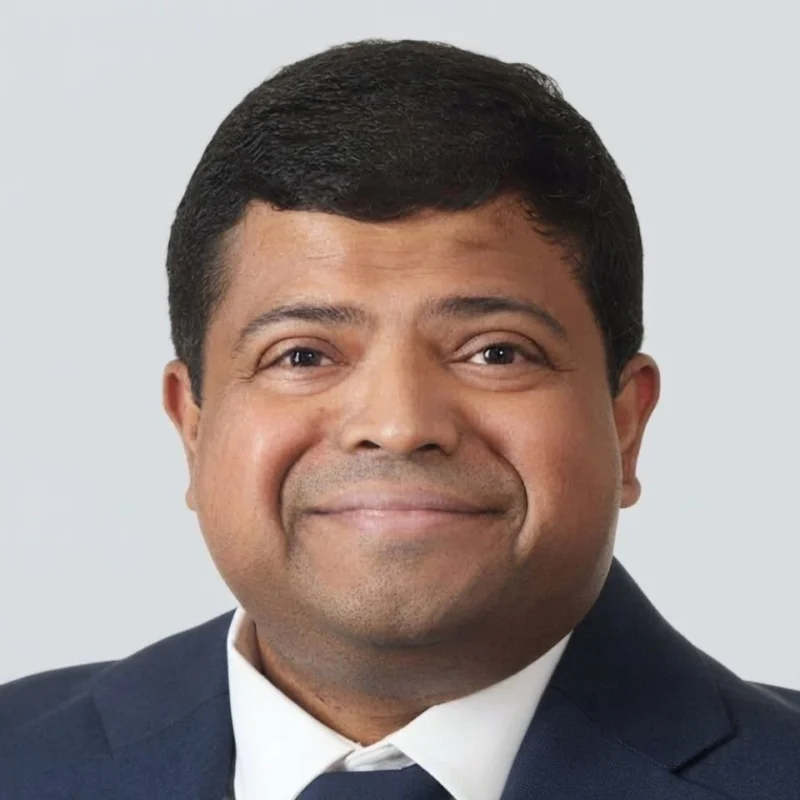
IMG_0511

Arnab Basu - United States, Washington


Genitourinary Medical Oncologist
Former Section Chief, Genitourinary Oncology, UAB O’Neal Comprehensive Cancer Center
ctDNA in RCC: Current Evidence and Future Directions
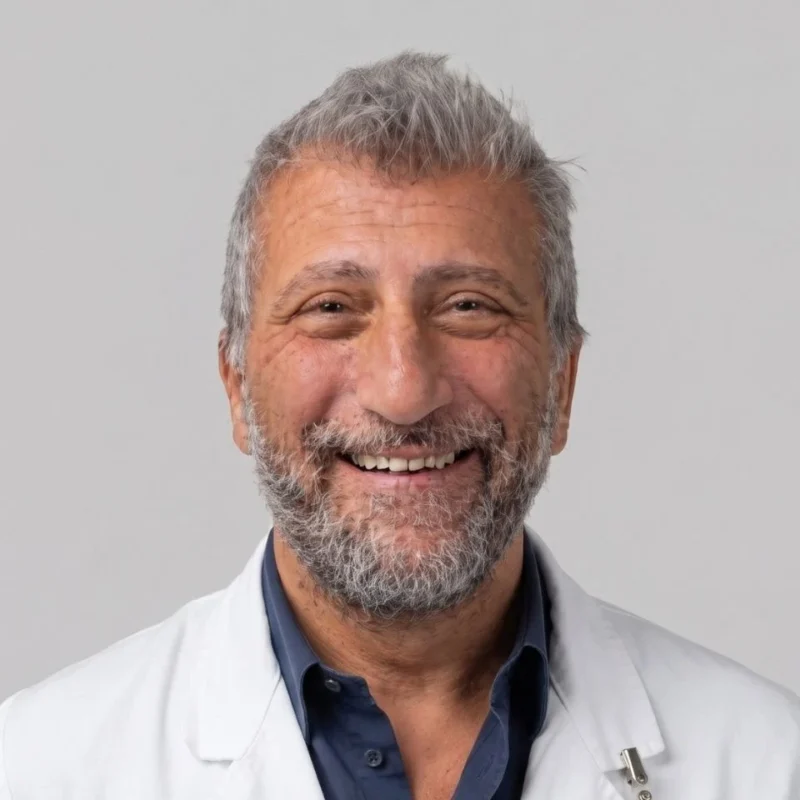
Ninja (3)

Giuseppe Procopio - Italy


Full Professor of Medical Oncology
Director, Genitourinary Cancer Unit, Fondazione IRCCS Istituto Nazionale dei Tumori
Recurrence During Adjuvant Pembrolizumab: What Comes Next in RCC?
Ninja (2)

Ulka Vaishampayan - United States, Michigan


Professor of Internal Medicine, University of Michigan
Director, Phase I Program, Rogel Cancer Center
The Impact of Microbiome Therapy in RCC
Ninja (1)

Eric Jonasch - United States, Texas


Professor, Genitourinary Medical Oncology, MD Anderson Cancer Center
Director, VHL Clinical Center, MD Anderson Cancer Center
Vice-Chair, NCCN Kidney Cancer Guidelines Panel
International Kidney Cancer Coalition Global Patient Survey: What Our Patients Are Telling Us
5345790096931756436

Steven Seyedin - United States, California


Medical Director, Genitourinary Radiation Oncology, UCSF
Genitourinary Radiation Oncologist specializing in advanced radiation therapy
SBRT for primary renal cell carcinoma (non-metastatic)
4

Francesco Massari - Italy


Associate Professor of Medical Oncology, University of Bologna
Consultant Medical Oncologist, IRCCS Azienda Ospedaliero-Universitaria di Bologna
Treatment of Non–Clear Cell Renal Cell Carcinoma: Focus on Papillary Histologies
Daniel

Daniel V. Araujo - United States, Florida


Associate Professor of Medicine, University of Florida
GU Clinical Disease Specific Group Leader, UF Health Cancer Institute
Medical Director of Biospecimen Resources, UF Health Cancer Institute
How Do I Treat ccRCC with Vena Cava Thrombus?
cf2a1ca4-580f-4cb6-a596-31bfb2961ee4

Fernando Maciel Barbosa - United States, Iowa


Clinical Associate Professor, University of Iowa
Genitourinary Medical Oncology Group Leader, University of Iowa
61

Arpita Desai - United States, California


Clinical Professor, Division of Hematology/Oncology, UCSF
Medical Director, UCSF Genitourinary Medical Oncology Program
Papillary RCC in 2026: Redefining a Heterogeneous Disease
60

Vivek Agarwala - India


Director of Medical Oncology and Hemato-Oncology, Narayana Health
Narayana Superspeciality Hospital & Cancer Institute
First-Line Treatment of Advanced Clear Cell RCC: A Global Perspective From LMICs
59 (1)

Neil J. Shah - Unites States, New York


Medical Oncologist, Memorial Sloan Kettering Cancer Center
Genitourinary Oncology Specialist
Staying Ahead of Toxicity: Managing Adverse Events in the Era of IO/TKI Combinations
Ninja (1)

Kelly Fitzgerald - United States, California


Health Sciences Clinical Professor
Genitourinary Medical Oncologist specializing in Kidney Cancer
On Current Clinical Trials in Renal Cell Carcinoma
58

Abhinav Sidana - United States, Ohio


Associate Professor of Surgery, University of Chicago
Director, Prostate Cancer Focal Therapy Program
Urologic Oncologist specializing in Prostate and Kidney Cancer
Hereditary Kidney Cancer: Balancing Cancer Control and Nephron Preservation
59

Eva Compérat - Austria


Professor of Urologic Pathology, Medical University of Vienna
International Expert in Genitourinary Pathology
Decoding RCC Biology: Impact on Clinical Outcomes
Ninja

Zin W. Myint - United States, Kentucky


Associate Professor of Medicine, University of Kentucky
Director, Genitourinary Oncology Program, Markey Comprehensive Cancer Center
Predicting Who Benefits From Immunotherapy: Biomarkers of Response and Resistance in RCC
58

David H. Aggen - United States, New York


Assistant Attending Physician, Genitourinary Oncology Service, Memorial Sloan Kettering Cancer Center
Kidney Cancer and Cancer Immunotherapy Researcher
Novel Cellular Therapies and Bispecific T Cell Engagers in Advanced Renal Cell Carcinoma
61

Manojkumar Bupathi - United States, Colorado


President and Managing Partner, Rocky Mountain Cancer Centers
Executive Chair, Genitourinary Research Program, Sarah Cannon Research Institute
The Evolving Role of TKIs and Targeted Therapies in Second-Line RCC
58

Ketan K. Badani - United States, New York


Professor of Urology, Icahn School of Medicine at Mount Sinai
Vice Chairman of Urology and Robotic Operations, Mount Sinai
Director, Comprehensive Kidney Cancer Center
Confocal Microscopy in RCC: Advancing Real-Time Diagnosis and Surgical Margin Assessment
56

Ciro Franzese - Italy


Associate Professor of Radiation Oncology, Humanitas University
Director, Radiation Oncology Unit, Humanitas San Pio X
Oligoprogressive Kidney Cancer and Stereotactic Body Radiation Therapy
54

Elena Verzoni - Italy


Medical Oncologist, Genitourinary Medical Oncology and Prostate Program
Principal Investigator of Genitourinary Oncology Clinical Trials
LITESPARK-022: Adjuvant Pembrolizumab and Belzutifan in Resected ccRCC — Practice-Changing Results
60

Yao Zhu - China


Professor, Fudan University Shanghai Cancer Center
Urologic Oncologist specializing in Genitourinary Cancers
Spatial Immune Architecture and Tertiary Lymphoid Structures: Redefining Precision Immunotherapy in Renal Cell Carcinoma
59 (1)

Hans Hammers - Unites States, Texas


Professor of Internal Medicine, UT Southwestern Medical Center
Why Immunotherapy Fails: Understanding and Overcoming Resistance in RCC
Ninja

Eric A. Singer - United States, Ohio


Professor of Urology and Bioethics, The Ohio State University
Chief, Division of Urologic Oncology
Director, Urologic Oncology Fellowship Program
Who Benefits From Cytoreductive Nephrectomy Today? Refining Patient Selection in Metastatic RCC
Ninja

Michael B. Atkins - United States, Washington


Deputy Director, Georgetown Lombardi Comprehensive Cancer Center
William M. Scholl Professor and Vice Chair, Department of Oncology, Georgetown University
Adjuvant Pembrolizumab in RCC: From KEYNOTE-564 to Clinical Practice
Ninja

Darren R. Feldman - United States, New York


Associate Attending Physician, Genitourinary Oncology Service, Memorial Sloan Kettering Cancer Center
Associate Professor of Medicine, Weill Cornell Medical College
Current Status and Future Directions of Radiotheranostics for RCC
dilon

Dillon Cockrell - United States, North Carolina


Assistant Professor of Medicine, Duke University
Genitourinary Medical Oncologist
How I Treat RCC: Case-Based Decisions in High-Risk Localized and First-Line Metastatic Disease
guru

Guru Sonpavde - United States, Florida


Professor of Medicine, Loma Linda University
Director, Genitourinary Oncology and Phase I Research, AdventHealth Cancer Institute
Emerging ADCs to Treat RCC
IMG_1569

Samuel Washington - United States, California


Associate Professor of Urology, University of California, San Francisco
Urologic Oncologist specializing in Prostate Cancer and Cancer Outcomes
The Social Factors Impacting Management of Small Renal Masses
55

Hossein Taghizadeh - Austria


Consultant Oncologist, University Hospital St. Pölten
Lead, Gastrointestinal and Urogenital Oncology
First-Line Management of Chromophobe RCC: Current Evidence and Emerging Therapeutic Strategies
IMG_1592

Moshe Ornstein - United States , Ohio


Director, Genitourinary Medical Oncology, Cleveland Clinic
Faculty, Cleveland Clinic Lerner College of Medicine
The Role of HIF2α in Combination With TKI in RCC
IMG_1600

James Brugarolas - United States , Texas


Professor of Internal Medicine, UT Southwestern Medical Center
Founding Director, Kidney Cancer Program, UT Southwestern
What Mouse Models Tell Us About tRCC Genetics
3

Fed Ghali - United States , Connecticut


Assistant Professor of Urology, Yale School of Medicine
Urologic Oncologist, Yale Cancer Center
Common Pitfalls in Oncology Trials within Kidney cancer and Beyond
IMG_0742

Daniel Geynisman - United States , Pennsylvania


Chief, Division of Genitourinary Medical Oncology, Fox Chase Cancer Center
Associate Professor, Department of Hematology/Oncology, Fox Chase Cancer Center
Frontline Therapy in Clear Cell RCC: How to Make the Decision
Ninja

Janaki Sharma - United States , Florida


Associate Professor of Clinical Medicine, University of Miami Miller School of Medicine
Genitourinary Medical Oncologist
Next-Generation Imaging in Clear Cell RCC
59

Yüksel Ürün - Turkey


Professor of Medical Oncology, Ankara University
Genitourinary Oncology and Global Oncology Leader
Evolving Paradigms in Perioperative and Adjuvant Therapy for Localized High-Risk RCC
IMG_1720

Jaime Merchan - United States, Florida


Professor of Medicine, University of Miami Miller School of Medicine
Director, Phase I Clinical Trials Program
Genitourinary Medical Oncologist specializing in Renal Cell Carcinoma
Targeting HIF-2α in Clear Cell RCC: Current Evidence and Clinical Applications
IMG_1721

Lazar Popovic - Serbia


Professor, Faculty of Medicine, University of Novi Sad
Head, Clinic for Medical Oncology, Oncology Institute of Vojvodina
Optimal First-Line Therapy in Metastatic ccRCC
IMG_1722

Evita Sadimin - United States, California


Associate Professor of Pathology, City of Hope
Chief, Division of Pathology Informatics and Data Science, City of Hope Comprehensive Cancer Center
New classifications and diagnostic challenges of selected renal cell neoplasms
IMG_1723

Fornarini Giuseppe - Italy


Medical Oncologist, IRCCS Ospedale Policlinico San Martino
IMG_1755

Federico Losco - Argentina


Clinical Oncologist, Genitourinary Oncology Unit, Alexander Fleming Institute
Chair, LACOG Genitourinary Group
The Hidden Burden of Kidney Cancer: Epidemiology, Access Gaps and Challenges in LMICs
IMG_1757

Biren Saraiya - United States, New Jersey


Professor of Medicine, Rutgers Cancer Institute
Medical Oncologist and Palliative Care Physician
Medical Director, Office of Human Research Subjects
Integrating Primary Palliative Care Into RCC Management
IMG_1737

Fernando Maluf - Brazil


Director of Medical Oncology, Beneficência Portuguesa
Steering Committee Member, Oncology Center, Albert Einstein Hospital
Latin American Perspective on Renal Cell Carcinoma Diagnosis and Treatment
Regina

Regina Barragan - Mexico


Medical Oncologist, Instituto Nacional de Cancerología
Genitourinary Oncology Specialist
Beyond Evidence Adoption: Building Locally Relevant Renal Cancer Research in Latin America
Ritesh Kotecha

Ritesh Kotecha - United States, New York


Assistant Attending Physician, Memorial Sloan Kettering Cancer Center
Genitourinary Oncology and Cellular Therapy Service
Review of RCC with Brain Metastasis
IMG_1781

Karine Trindade - Brazil


Medical Oncologist, Rede D’Or
Medical Manager and Researcher, D’Or Institute for Education and Research (IDOR)
Scientific Director, LACOG Genitourinary Cancer Group
Systemic Therapy for Localized, Inoperable Disease , Real-World Sequencing Strategies for Advanced RCC in Latin America
IMG_2154

Guercio Brendan - United States, New York


Director, Genitourinary Medical Oncology Program, Wilmot Cancer Institute
Genitourinary Medical Oncologist, University of Rochester
TKIs After Upfront Immunotherapy in Metastatic RCC
photo_5449409928159237223_y

Sabine D. Brookman-May - Germany


Professor of Urology, LMU Munich
Global Vice President of Research & Development, Curium Pharma
Founder and CEO, Vitruvo eHealth
Beyond Precision Oncology: The Emerging Role of Exercise and Lifestyle Medicine in Urologic Cancer
IMG_4328

Ying-Bei Chen — New York, NY, USA


Attending Pathologist, Memorial Sloan Kettering Cancer Center (MSK)
Genitourinary Pathologist specializing in Kidney and Urologic Tumors
Expert in Surgical Pathology and Genitourinary Cancer Diagnosis
Getting It Right on the Needle: Renal Tumor Biopsy Interpretation Strategies and Challenges

Scientific Program

The scientific program of VIRO 2026 – Global Voices in Renal Oncology will explore the full clinical spectrum of renal cell carcinoma, from localized and high-risk disease to advanced and metastatic renal cancer. Sessions will address contemporary approaches to diagnosis, risk assessment, systemic therapy, multidisciplinary care, and follow-up, while highlighting how evolving clinical evidence can be applied in daily practice.
Expert-led discussions will examine the role of immunotherapy-based combinations, VEGF-targeted treatment strategies, adjuvant approaches, management after disease progression, and the future of biomarker-informed decision-making. The congress will also focus on key practical questions in renal oncology, including how to select the most appropriate first-line regimen, how to manage immune-related and treatment-related adverse events, and how to personalize care based on disease biology, patient characteristics, and available resources.

VIRO 2026 also recognizes that progress in renal cancer care must be global. Access to advanced diagnostics, clinical trials, systemic therapies, multidisciplinary expertise, and supportive care remains uneven across regions. By bringing together voices from different countries and healthcare systems, the congress aims to foster international dialogue on how innovation can be delivered more equitably and effectively.
Designed for medical oncologists, urologists, radiation oncologists, surgeons, pathologists, radiologists, researchers, trainees, nurses, and other professionals involved in renal cancer care, VIRO 2026 will provide a practical and forward-looking platform for education, collaboration, and clinical exchange.
VIRO 2026 – Global Voices in Renal Oncology aims to support more personalized, effective, and equitable care for patients with renal malignancies worldwide. Through global expertise, multidisciplinary discussion, and real-world perspectives, the congress will help bridge the gap between emerging evidence and everyday clinical practice in renal oncology.