Sebastian Caliri, Partner at 8VC, shared a post on X:
“Healthcare leaders outside of VC and tech are realizing FDA is not up to the task of regulating clinical AI.
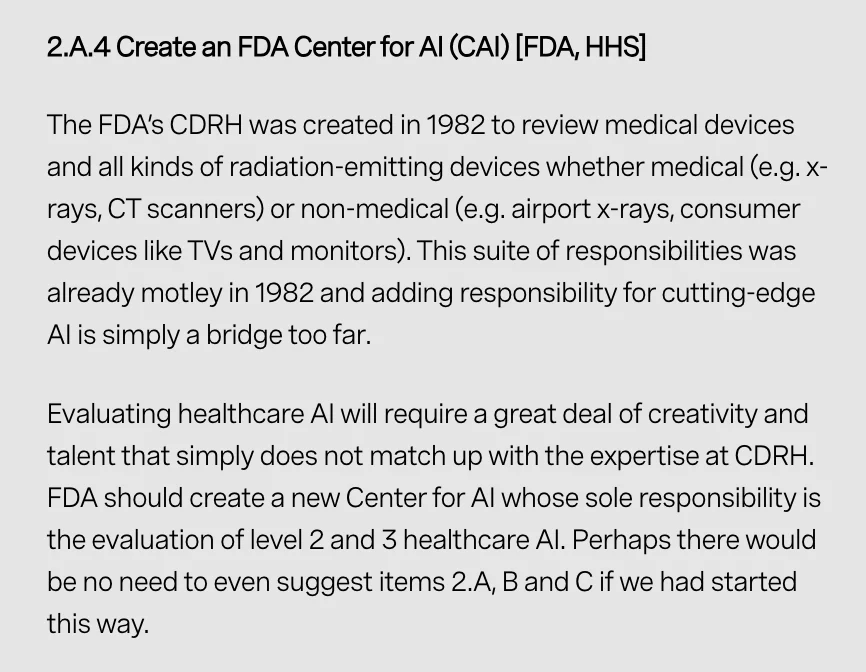
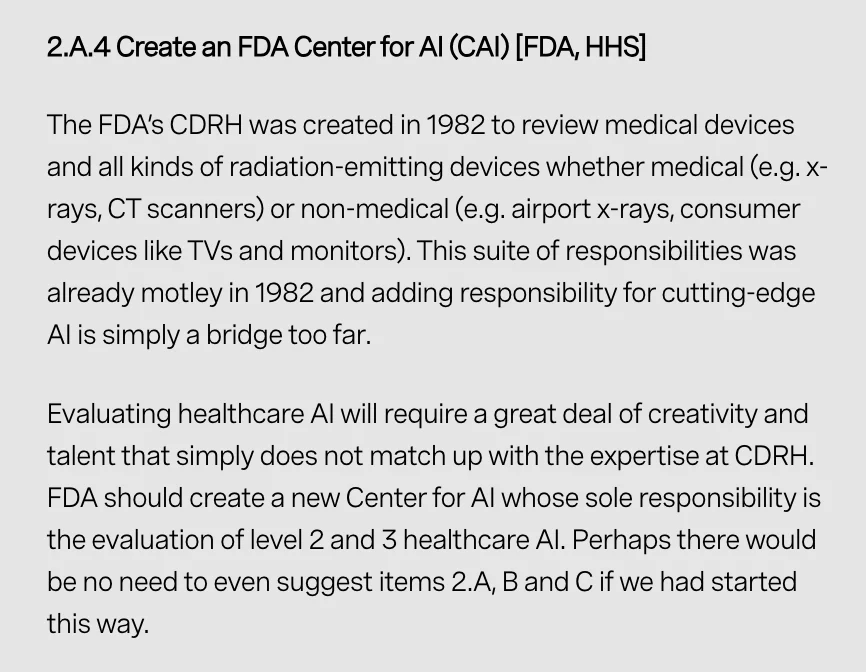
Several months ago I proposed carving AI out of FDA’s CDRH.
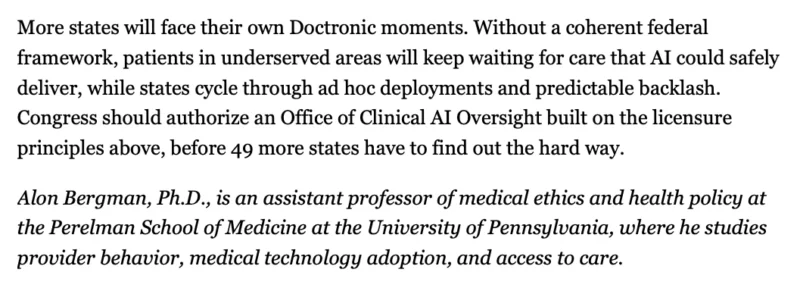
Today in Stat, Penn’s Alon Bergman suggests Congress establish a new ‘Office of Clinical AI‘ under HHS. This has certain advantages. Working within existing statute means even if the FDA sharpens up, there are still 50 different states that have a say in how clinical AI is approved and monitored.
But passing a new law can create the new agency and pre-empt state law in one fell swoop. Bergman is on the right track although I disagree medical licensing exams should be any part of evaluating clinical AI. We all know that USMLE is some % useful and some % trivia.
We should judge AI on the actual tasks we want it to perform rather than a proxy.
Everyone knows about serious problems in American healthcare: $1.8T in federal spending, burned-out doctors, endless phone trees, incomprehensible bills.
No-one has a viable plan to fix this mess. And rather than helping, our policies have effectively banned AI from medicine. We have made our very best hope for relief illegal. I spent the past few months talking with policy makers in DC, state secretaries of health, and the technology community about this problem.
I spoke with doctors about their experiences and ordinary Americans about their challenges with the healthcare system. I also spoke with investors about the barriers to investing in healthcare AI that makes life better for patients and doctors instead of pouring more dollars into up-coding tools.
From these conversations I synthesized a set of policy reforms at the federal and state levels that will not only legalize healthcare AI, but also attract resources to the space and get the very best innovators focused on what is an existential problem for the United States.
The article is on the 8VC blog, here: A Vision for Healthcare AI in America
How bad have things gotten – why should you care about healthcare AI? And what are some of the policies that will make it possible for technologists to build?
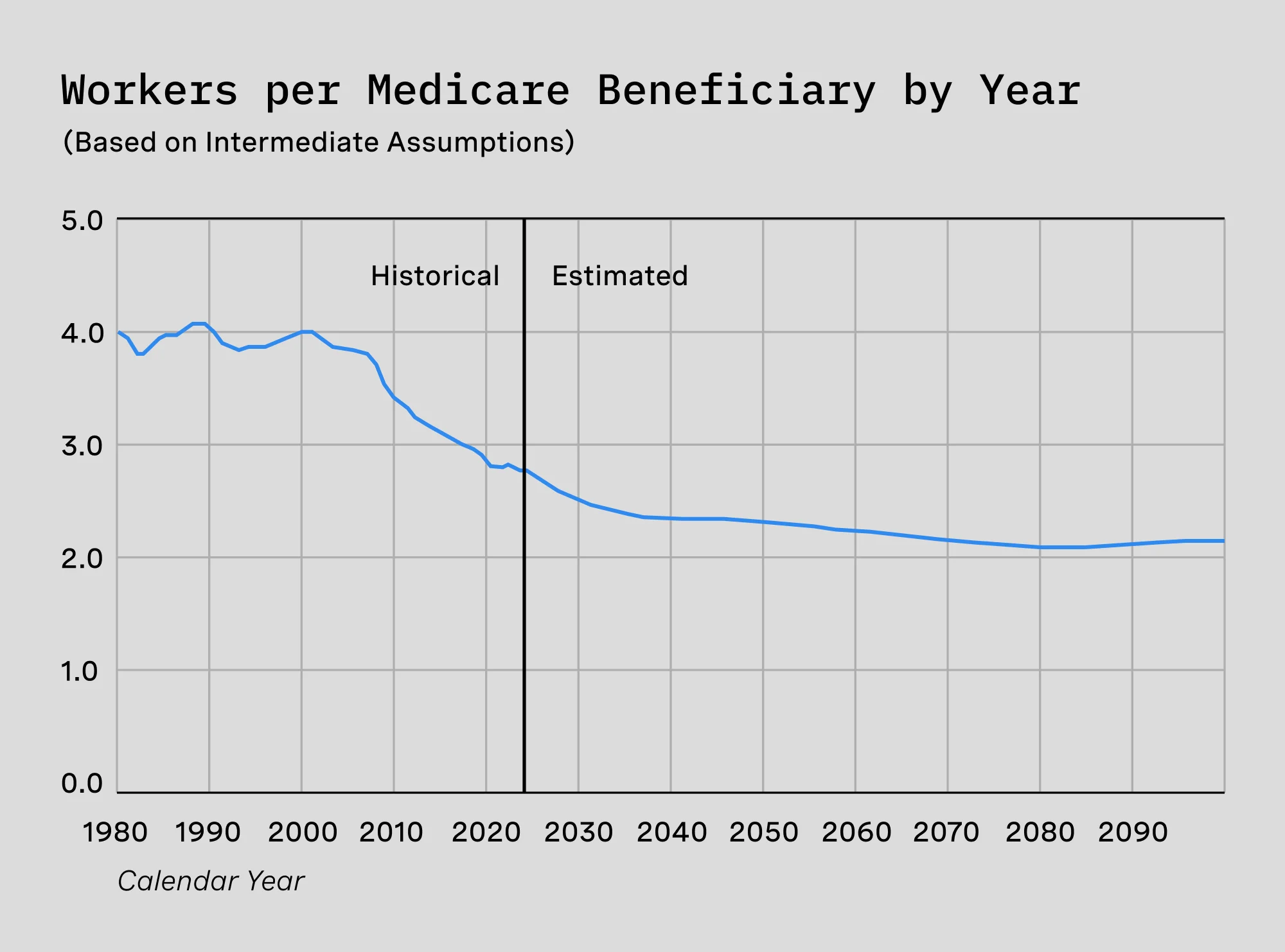
If you are a Millennial or Zoomer, you should care about healthcare AI. The burden of supporting Medicare falls on your shoulders. It will get heavier every year of your working life. If healthcare costs do not come down, budget shortfalls will be made up from your paycheck.
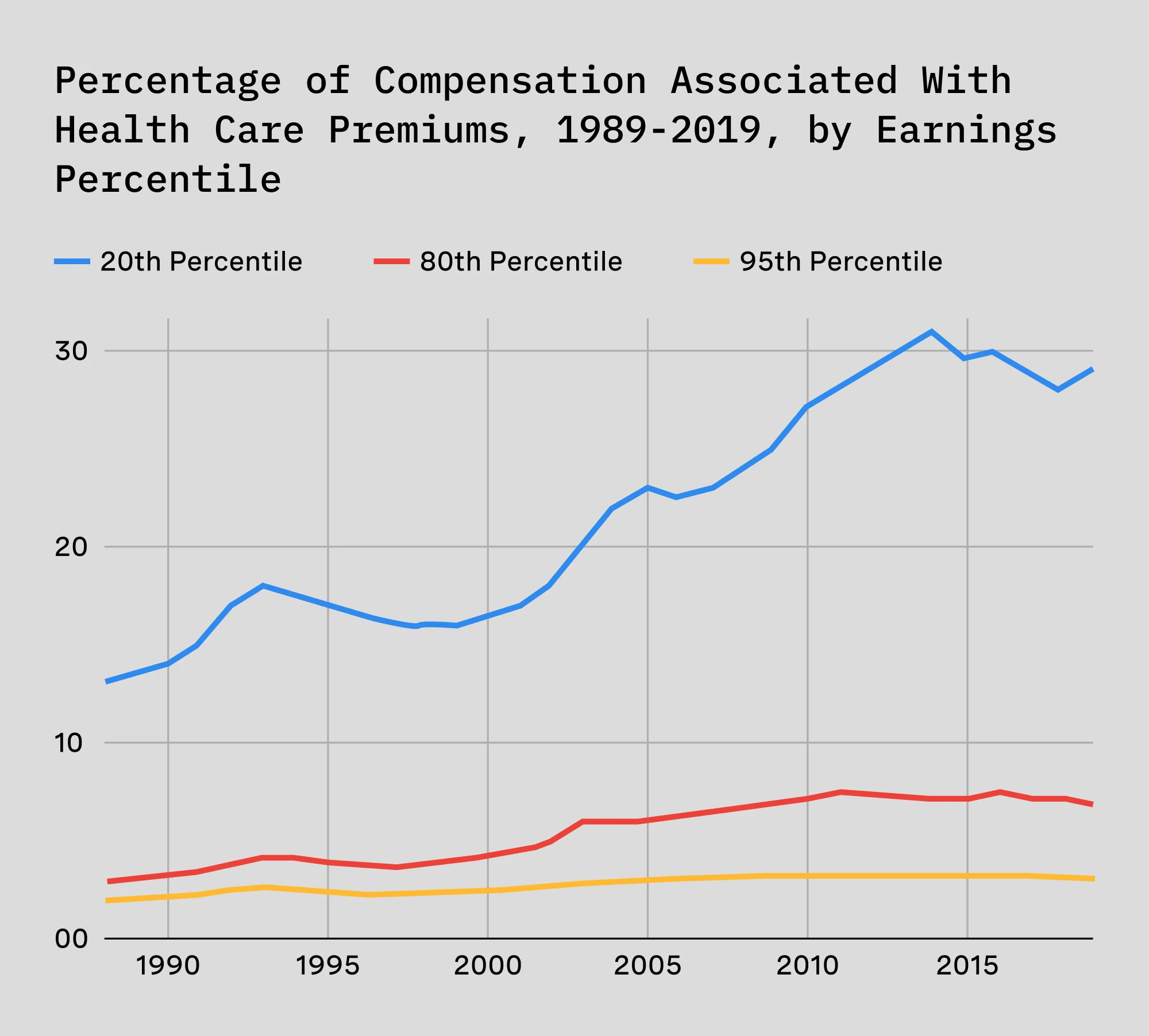
Working class Americans should care about healthcare AI. For years, instead of giving you a raise, your employer has simply been trying to keep up with health insurance premiums that go up by 8, 9, or 10% a year.
Healthcare costs are now 30% of compensation for low income Americans. AI is the best hope we have to deflate prices so that you can earn more.
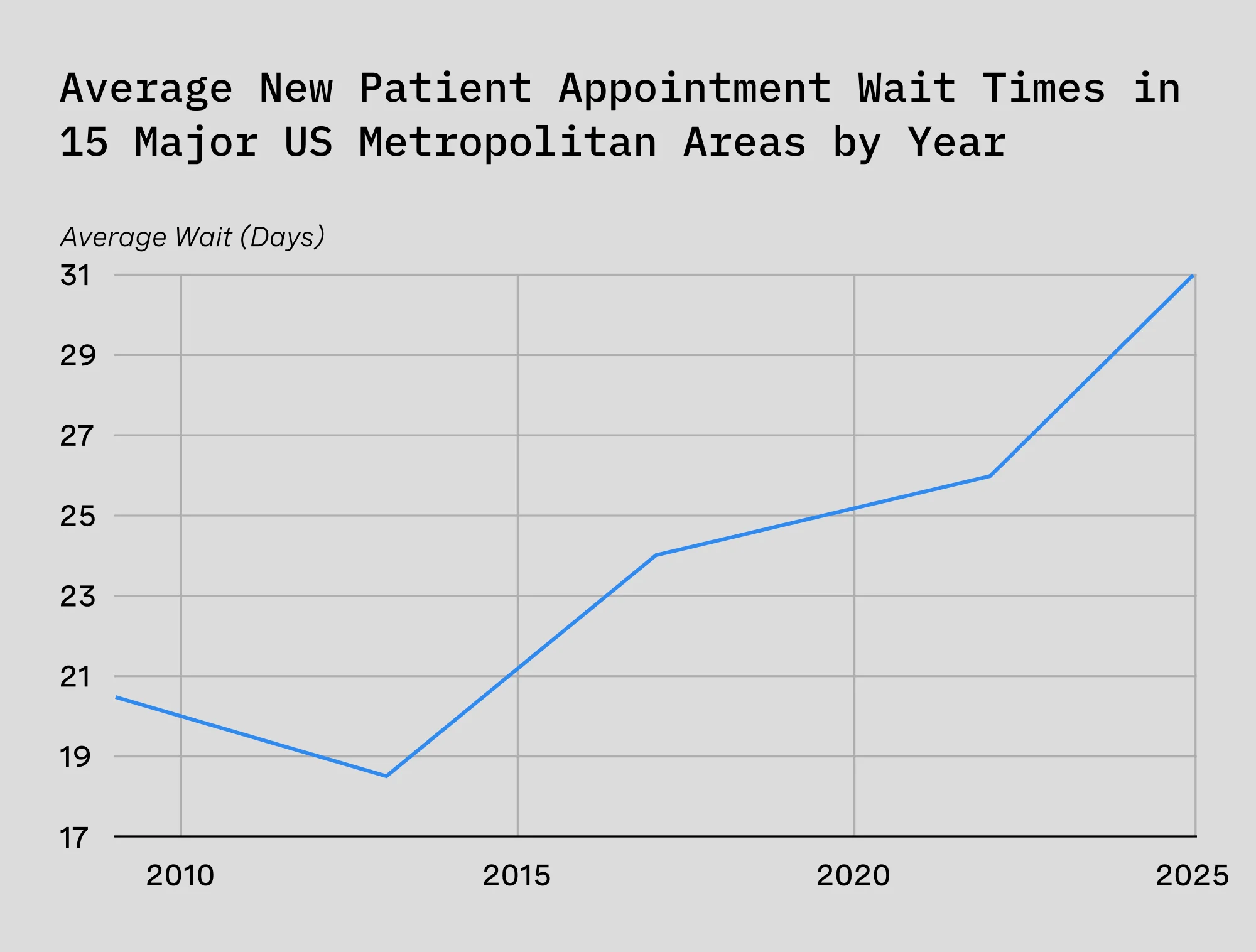
People talk about wait times to see a doctor in socialist systems like the UK and Canada. But did you know how bad things have gotten in the United States? We are up to 31 days’ wait to simply schedule an appointment.
What are some of the regulatory barriers? The FDA has authority to regulate healthcare AI as a medical device. And the FDA puts the people responsible for X-rays and televisions in charge of approving AI. This makes no sense. The FDA should have a dedicated center for healthcare AI staffed by software engineers, not physicists.”
Other articles on OncoDaily.